What Makes the Templeton Gap District Different? A Guide to One of Paso Robles’ Coolest Wine Regions
The short answer: The Templeton Gap District is a sub-appellation on the western side of Paso Robles AVA where a break in the coastal Santa Lucia Range lets cool Pacific air flow inland. The result is a cooler climate than much of Paso Robles, with large day-to-night temperature swings and wines that keep their freshness and acidity alongside ripe fruit.
Where is the Templeton Gap District?
Paso Robles is one of California’s largest wine regions, and in 2014 its AVA was divided into eleven districts, each recognized for its own combination of climate, soil, and geography. The Templeton Gap District sits on the western edge near the town of Templeton, just east of the coastal range and not far from Highway 101.
The “gap” is literal. A lower stretch in the coastal hills acts like a funnel, pulling marine air from the Pacific across the vineyards, especially in the late afternoon and evening. That one geographic feature is the foundation of everything that makes the district distinctive.
Why is the Templeton Gap one of Paso Robles’ coolest regions?
Paso Robles is known for hot, sunny summer days, and the Templeton Gap gets those too. What sets it apart is what happens after the sun goes down.
As inland temperatures climb during the day, the air rises and pulls in cooler marine air through the gap. By evening, temperatures can fall dramatically. This diurnal shift, the difference between daytime highs and overnight lows, is often 40 degrees or more during the growing season.
That matters for wine for a few reasons:
- Warm days build sugar, ripe flavors, and soft tannins.
- Cool nights slow the vines down and preserve natural acidity.
- Longer, gentler ripening lets flavors develop without the grapes losing their freshness.
The wines tend to show ripeness and energy together: fruit-forward without being heavy, structured without being harsh.
What are the soils like?
Climate is only half the story. The Templeton Gap is known for complex, calcareous soils, with limestone and calcium-rich layers mixed with alluvial deposits. These soils drain well, stress the vines in a helpful way, and contribute to the mineral, savory character that many Templeton Gap wines are known for.
Which grapes grow best in the Templeton Gap?
The district’s mix of warmth and cooling influence supports a wide range of varieties. Bordeaux and Rhône grapes thrive here, including Cabernet Sauvignon, Merlot, Petit Verdot, Syrah, Grenache, Mourvèdre, and Viognier, along with Mediterranean and Iberian varieties such as Tempranillo and Touriga Nacional. This range is a big reason winemakers here can produce both structured reds and bright, aromatic whites from the same region.
How ONX Wines fits in
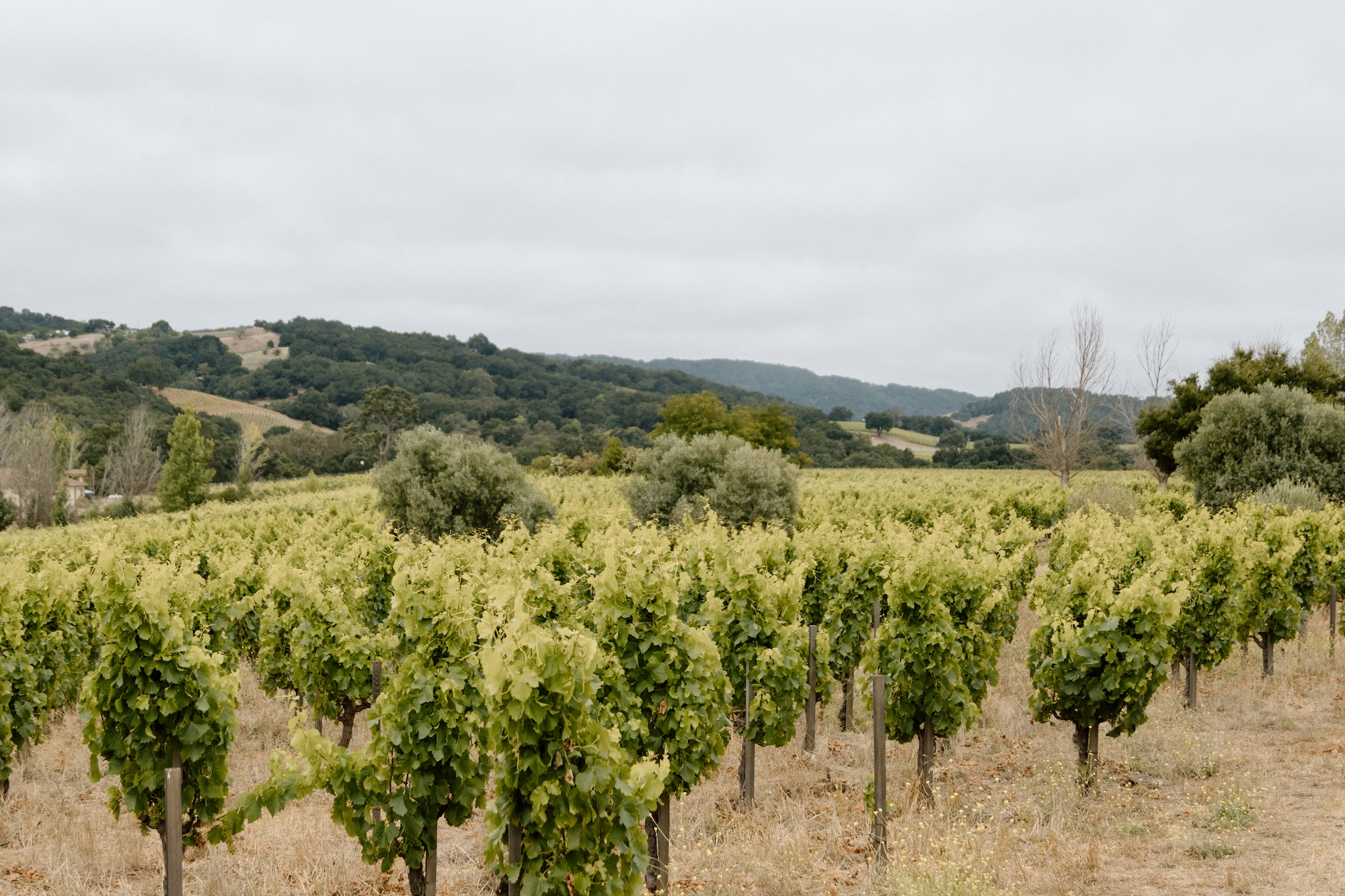
ONX Wines is rooted in the Templeton Gap District. Our estate vineyard was planted in 2005 along Paseo Excelsus in Templeton and spans roughly 127 acres. Today it grows 18 grape varieties, with Bordeaux and Rhône varieties at the core and a few Iberian grapes mixed in.
The place gives ONX wines their character. The Pacific influence, the dramatic temperature swings, and the mineral-rich soils that include onyx calcite (the source of our name, pronounced “onyx”) all show up in the glass. The goal is wines that are expressive but balanced, and that reflect the estate they come from.
You can taste that for yourself in a few ways:
- Our winery on Limestone Way in Paso Robles
- Our Tin City tasting room, in Paso Robles’ artisan food-and-drink district
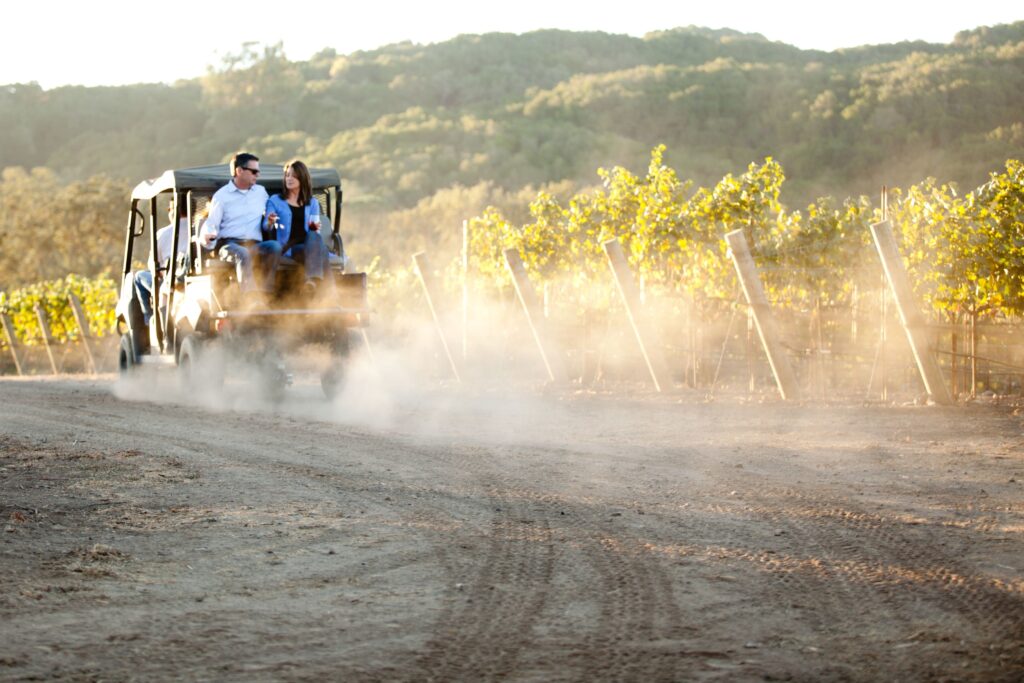
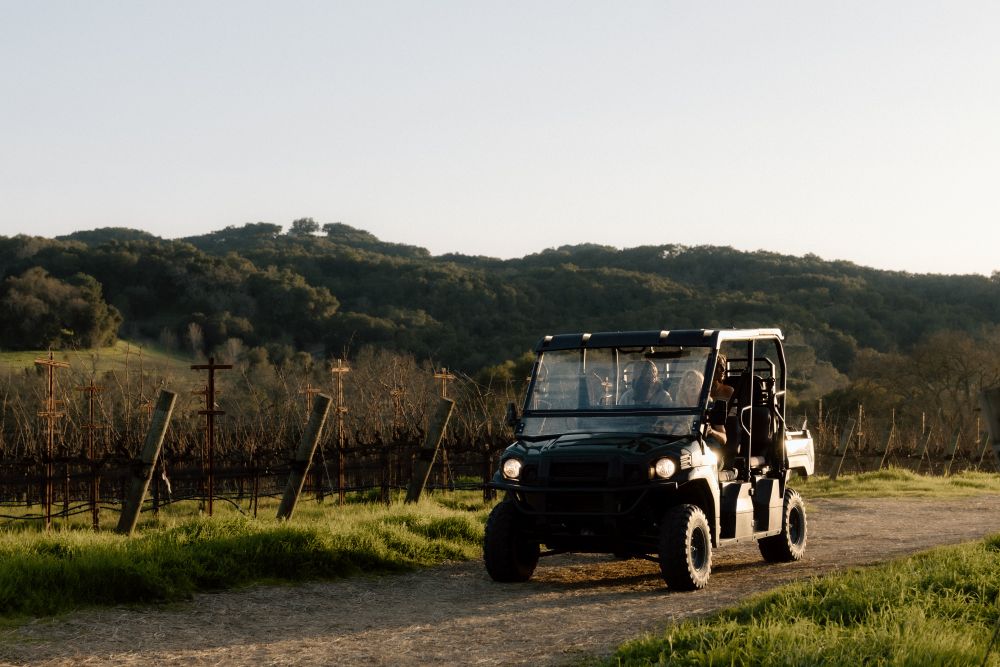
- Experiences at the Templeton estate vineyard, where you can see the Gap’s landscape up close
Templeton Gap District vs. the rest of Paso Robles
| Templeton Gap District | Warmer eastern Paso Robles | |
| Marine influence | Strong, via the gap in the coastal range | Limited |
| Day-to-night swing | Large, often 40°F or more | Large, but with warmer overall conditions |
| Typical style | Fresh, balanced, with vibrant acidity | Riper, richer, often fuller-bodied |
| Soils | Calcareous and alluvial | Varies, often more sand and loam |
Neither is better. They are different expressions of the same region, and that variety is a big part of Paso Robles’ appeal.
Frequently asked questions
What is the Templeton Gap District?
It’s one of eleven sub-appellations of the Paso Robles AVA, located on the western side near Templeton, defined by a gap in the coastal range that brings in cool Pacific air.
Is Templeton Gap cooler than the rest of Paso Robles?
Generally, yes. Marine air flowing through the gap moderates afternoon heat and cools the vineyards at night.
What wines is the Templeton Gap known for?
Bordeaux and Rhône-style reds and whites, including Cabernet Sauvignon, Syrah, Grenache, and Viognier, along with some Iberian varieties.
Can I visit ONX Wines in the Templeton Gap?
Yes. ONX’s estate vineyard is in the district, and you can taste at the Limestone Way winery or the Tin City tasting room, with estate experiences also available.
What does “ONX” mean?
It refers to the onyx calcite found in the estate’s mineral-rich soils.